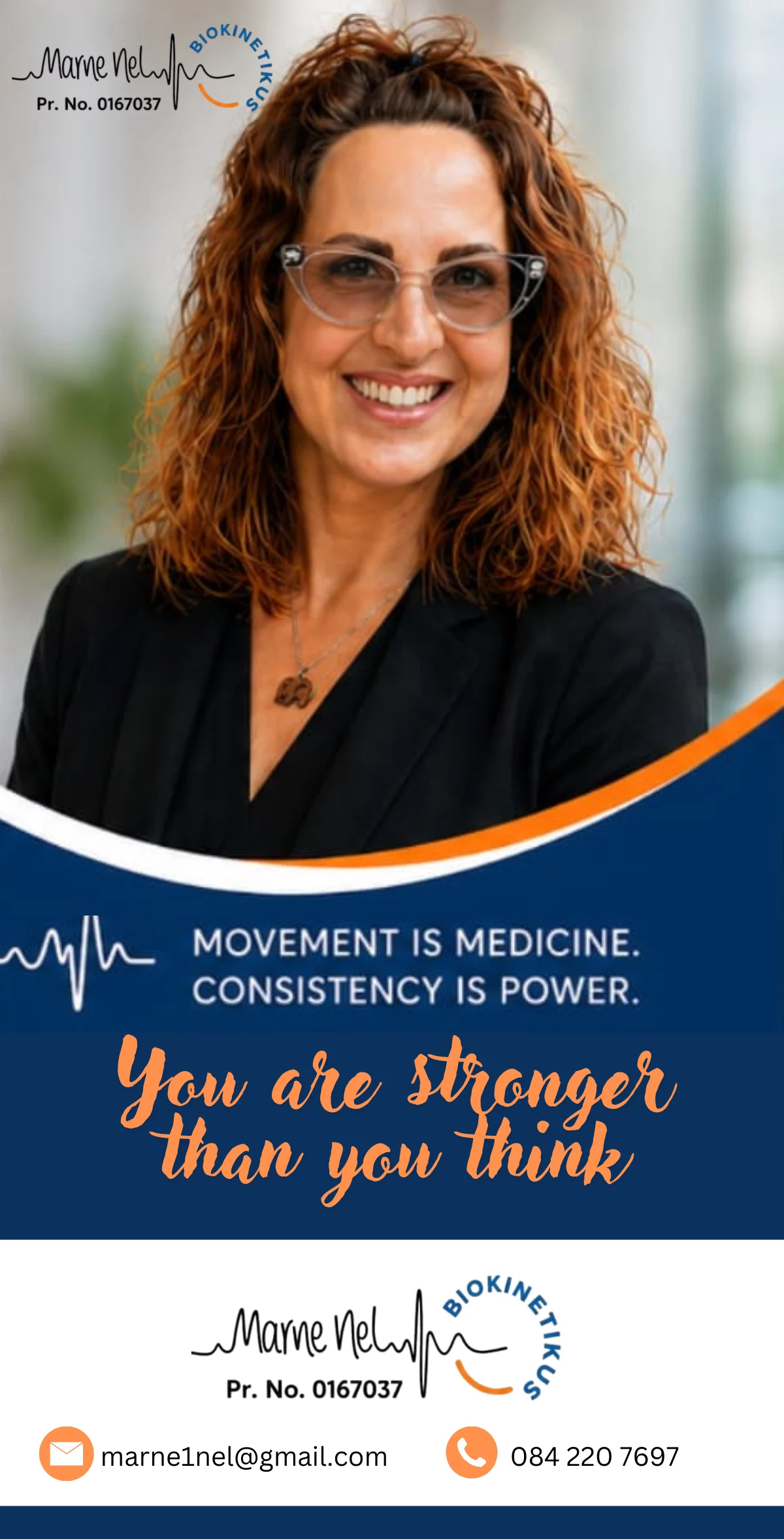
Marne Nel, a qualified Lowveld biokineticist, gives advice on how regular exercise keeps your body strong.
The good news? You do not need to be an athlete. Every movement counts. The key is finding an activity you enjoy and doing it consistently.
ALSO READ: Movement supports your body through all stages of life
1. Movement and bone health: your bones respond to exercise
Did you know your bones get stronger when you move?
Weight-bearing and resistance exercises stimulate your bones to maintain density and strength. This is crucial for reducing your risk of osteoporosis and protecting your future mobility and independence.
Best exercises for bone health:
- Brisk walking and hiking
- Strength training with weights or resistance bands
- Stair climbing and dancing
- Bodyweight exercises like squats and lunges
- Strong bones matter at every age – not just when you are older.

ALSO READ: Sleep rituals: how culture and science agree on winding down for quality rest
2. Movement and your immune system: build resilience inside and out
Regular, moderate exercise is one of the best ways to support your immune system.
It improves blood circulation, helps your body regulate inflammation, and allows immune cells to move more efficiently through your body.
The key is the right intensity. Moderate, consistent movement boosts immunity, while overtraining can actually weaken it. Think brisk walks, cycling, and swimming – not exhausting yourself every day.

3. Movement and energy levels: Tired? You might need to move more
Feeling tired all the time? You do not always need more rest – sometimes you need more movement.
Regular exercise improves circulation, oxygen delivery to your muscles and brain, and your overall endurance. Instead of draining your energy, the right exercise gives you more of it.
People who exercise regularly report feeling more energised, focused and resilient during the day.
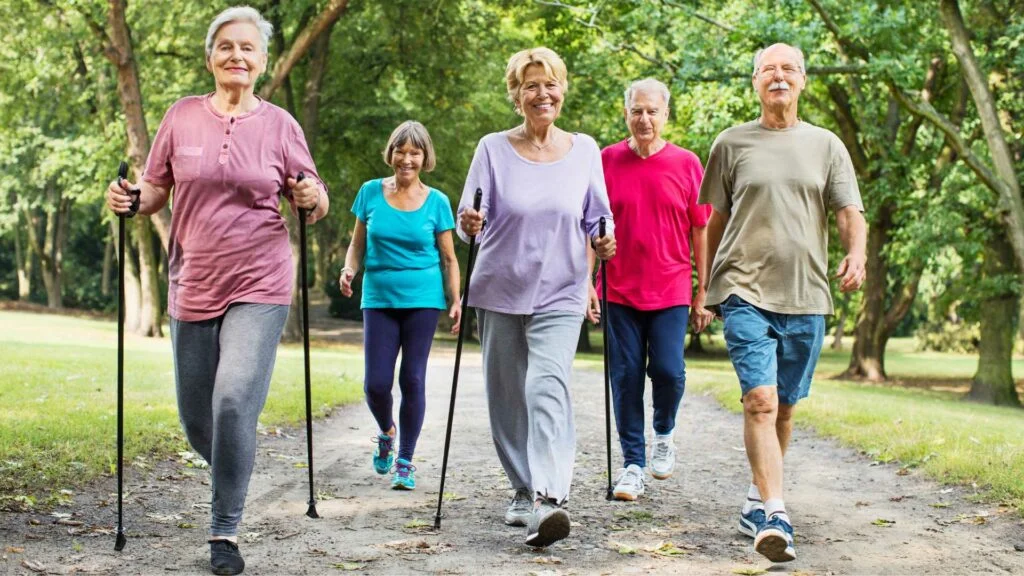
4. Movement for better balance and fall prevention
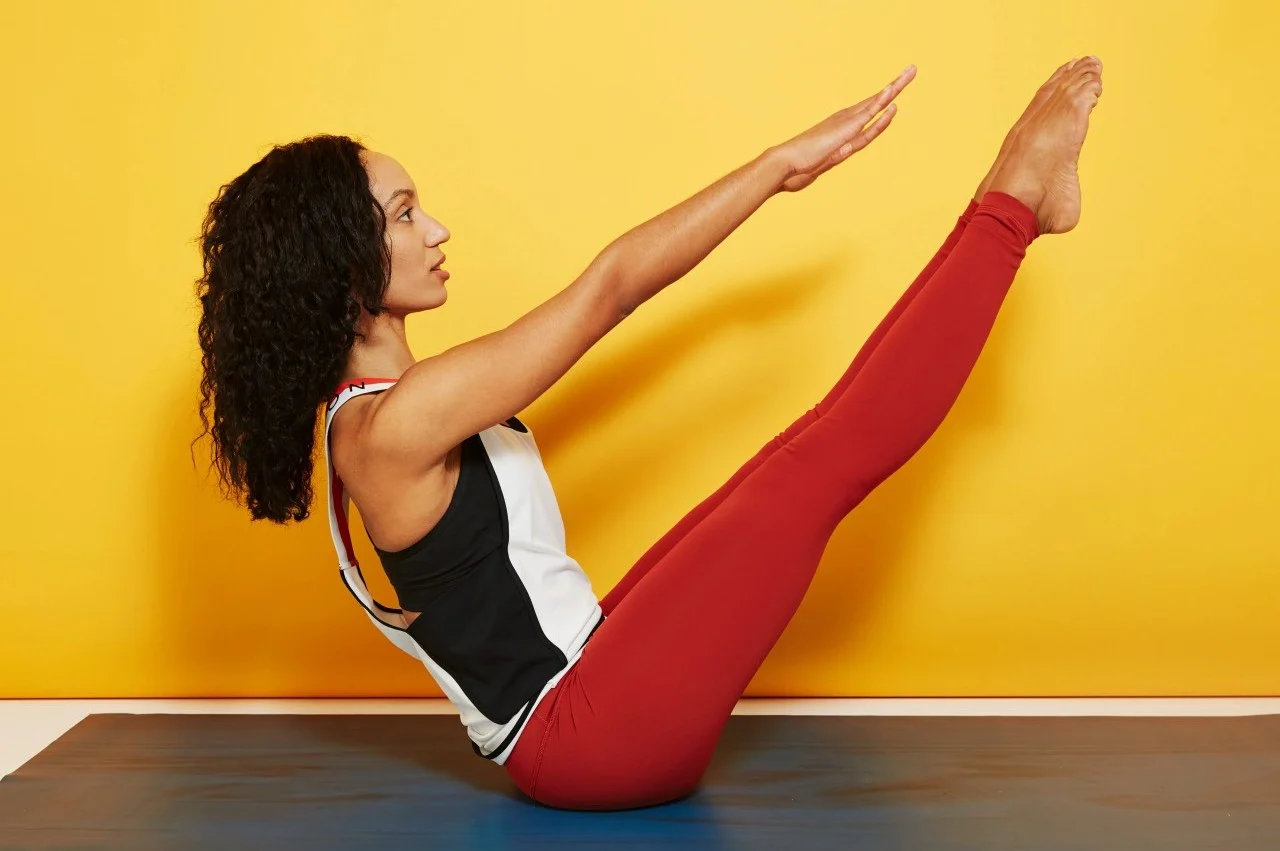
Balance is the foundation of everyday movement – from walking and climbing stairs to carrying groceries and preventing falls.
Balance training improves coordination, body awareness (proprioception), and injury prevention at any age.
ALSO READ: Digital detox: practical ways to unplug without feeling cut off
Who needs balance training?
- Athletes wanting better performance and control
- Office workers who sit all day and feel unsteady
- Older adults wanting to prevent falls and move confidently
- Anyone recovering from injury
Good balance helps you move more safely and efficiently, both in sport and daily life.
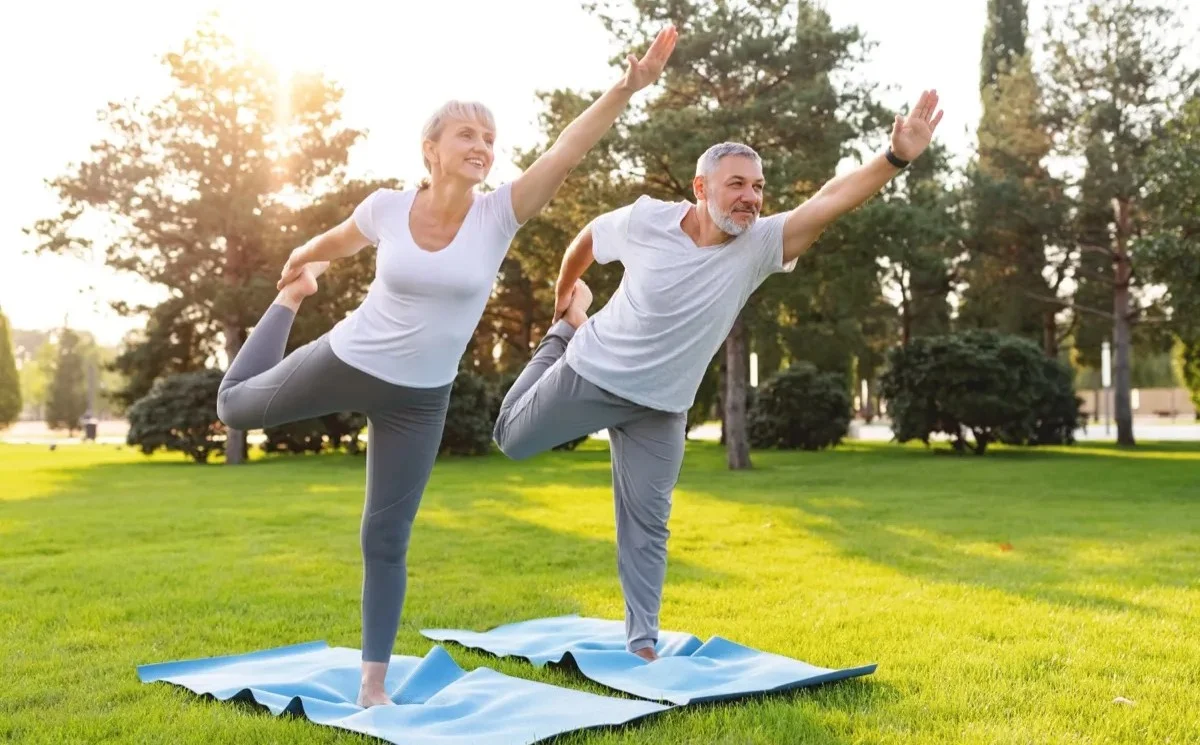
5. Every movement counts: start where you are
You do not need a perfect workout plan to get these benefits. A 20-minute walk, a short home strength session, or a balance routine all count towards a healthier, stronger, more capable body.
Consistency beats intensity every time.
ALSO READ: Let’s talk about budgeting…
How a biokineticist can help you move better
Not sure where to start, or dealing with pain, injury or a chronic condition? A biokineticist can create an individualised exercise and rehabilitation programme tailored to your body, your goals and your medical history.
For more evidence-based tips and to find a qualified biokineticist near you, visit Biokinetics Association of South Africa
Marne Nel is a qualified Lowveld biokineticist. You can send her an email, call her or follow her on Facebook. For more information, visit the Biokinetics SA Facebook page.