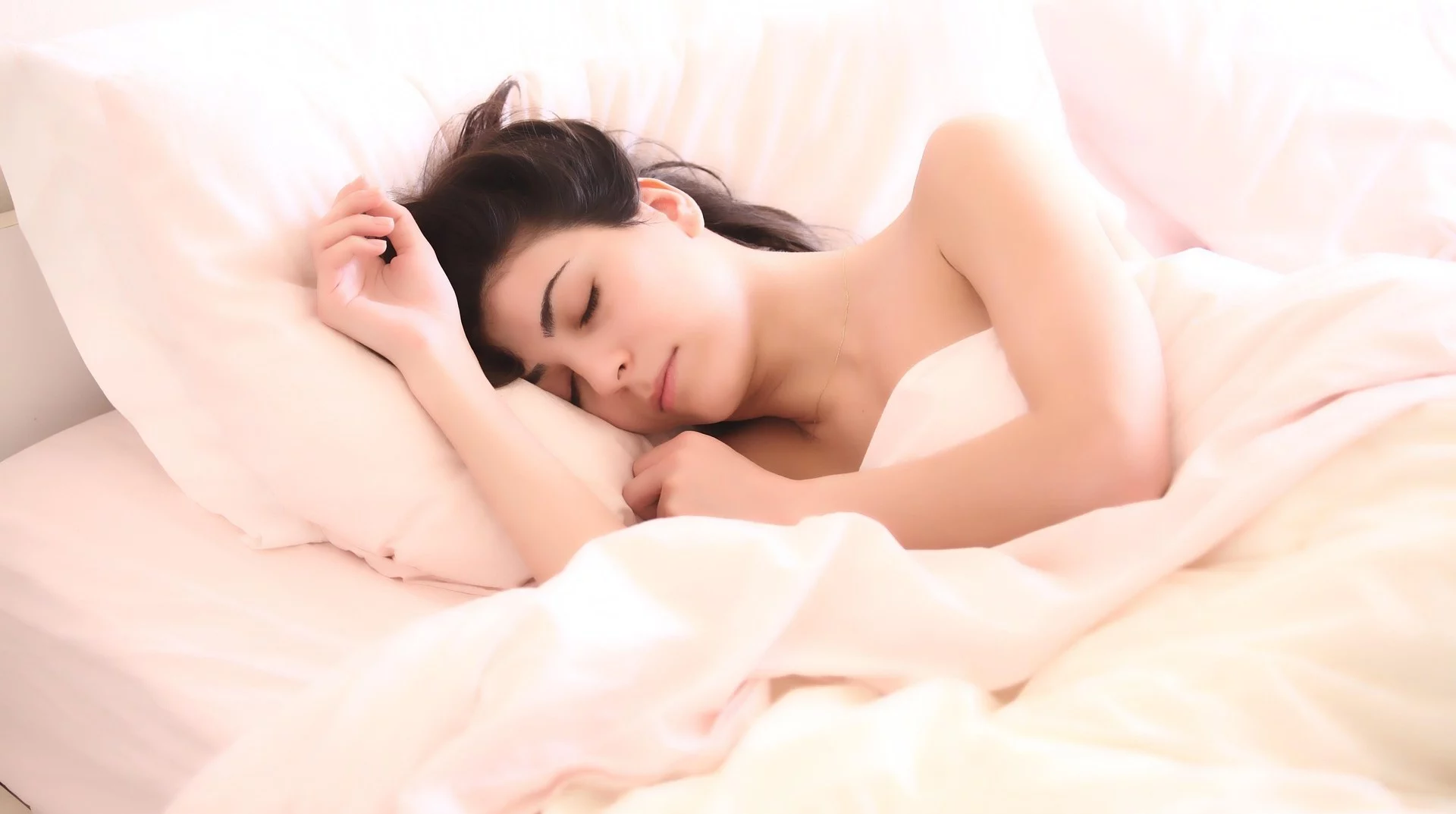
For thousands of years, humans have been facing that exact problem. Every culture has a version of a bedtime ritual. Not because they had sleep apps, but because they noticed the same thing science is now proving: the way you wind down decides how well you sleep.
ALSO READ: Let’s talk about budgeting…

What ancient cultures got right
Long before circadian rhythms (biological processes that follow a roughly 24-hour cycle, regulating sleep, hormones, and other bodily functions) had a name, people built rituals around dusk.
Japan: The bath and futon
In Japan, the ofuro or evening bath is about more than hygiene. You soak in hot water for 10 to 15 minutes, then step into a cooler room. That drop in body temperature afterward signals to your brain: it is time to sleep. Families then roll out the futon together, a physical cue that the house is shifting into rest mode. No phones at the table. No work after dinner.
Scandinavia: Koselig and the dark hours
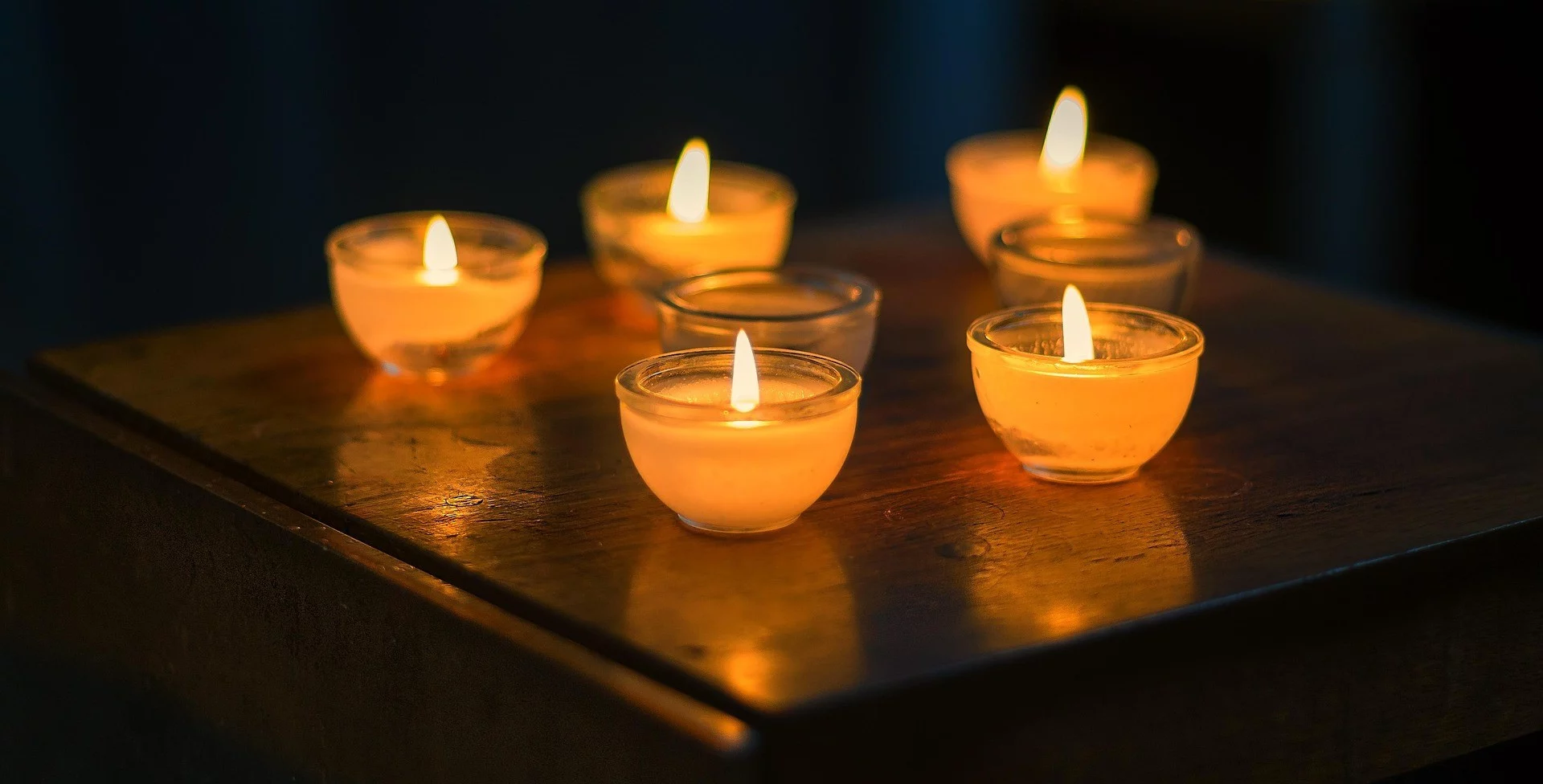
In Norway and Sweden, winter nights are long. The concept of koselig or hygge is about making the evening warm, dim, and slow. Candles instead of overhead lights. Wool socks. Tea. Quiet talking. The goal is to lower stimulation on purpose because darkness itself is scarce.
India: Ayurvedic night routines
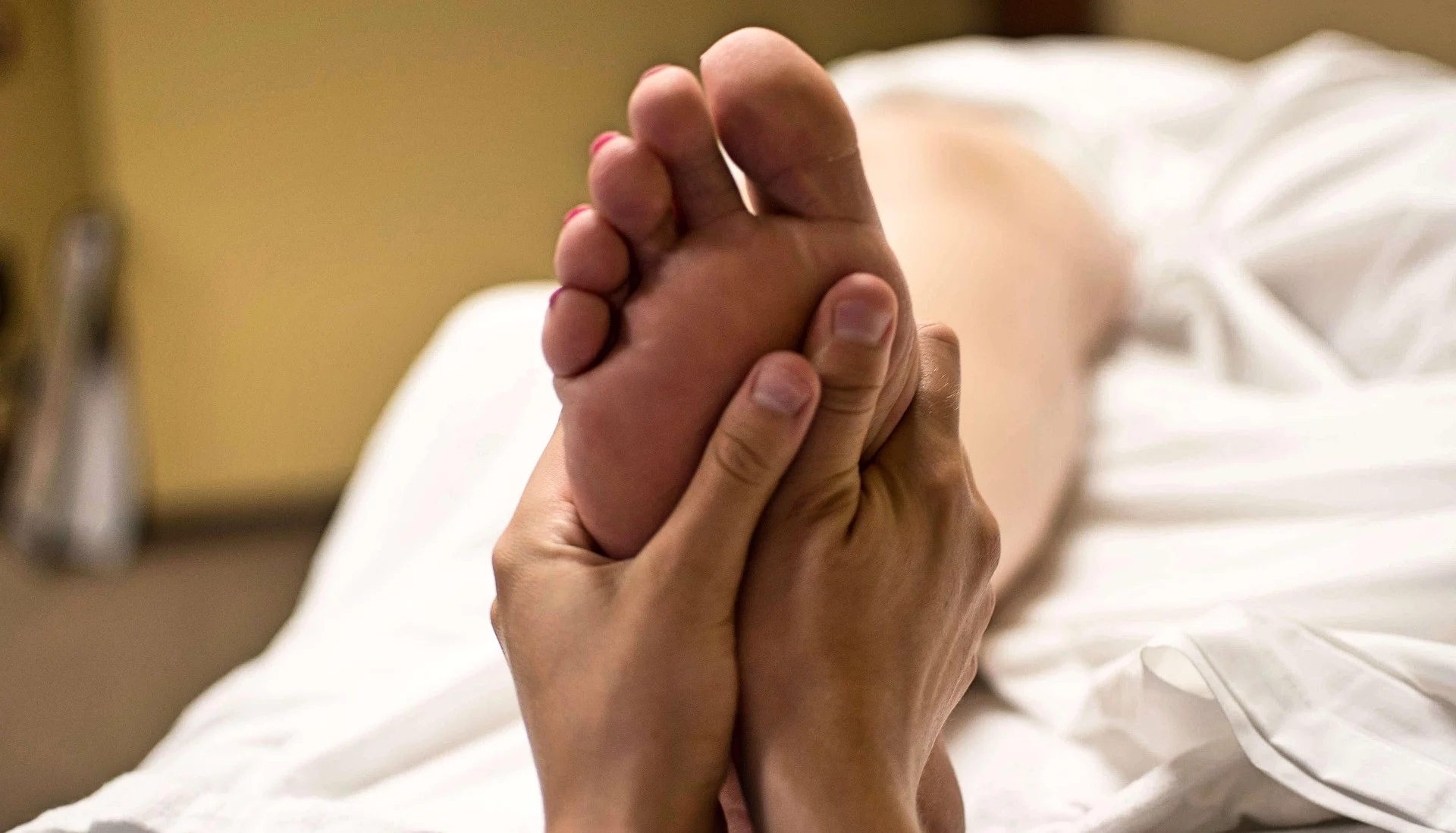
Ayurveda teaches that evening is Kapha time – slow, grounding, heavy. The ritual includes warm milk with spices like turmeric and nutmeg, gentle stretching, oil massage for the feet, and no big conversations after sunset. Screens are considered rajasic – agitating – and are avoided in the last hour.
West Africa and the Caribbean: storytelling
Across many communities, bedtime meant gathering. The elders told stories. Children listened. There was music, drumming, and prayer. The ritual was not just about sleep. It was about connection. And connection down-regulates stress hormones better than almost anything else.
Notice the pattern? Warmth, dim light, repetition, connection, and a clear end to the day. None of these cultures had blue-light filters. They had habits.
ALSO READ: Digital detox: practical ways to unplug without feeling cut off
What modern science says about those habits
Sleep researchers now call this “sleep hygiene,” but it’s really just a ritual by another name.
Here is what the data backs up:
Light dictates your clock
Your brain’s master clock, the SCN, is set mainly by light. Bright, blue-rich light at night tells your body it is still daytime and suppresses melatonin. That is why dimming lights 60 to 90 minutes before bed works. It is koselig with a neuroscience explanation.
Body temperature drops trigger sleep
Core body temperature needs to fall about one to two degrees to fall asleep easily. A warm bath or shower one or two hours before bed, like the Japanese ofuro, increases blood flow to hands and feet. That releases heat and causes the core temperature drop later. Science calls it distal vasodilation. Grandma called it “a hot bath helps you sleep”.
Repetition tells your nervous system to calm down
Rituals work because they are predictable. When you do the same steps every night, your brain starts releasing less cortisol and more GABA, a calming neurotransmitter, as soon as step one begins. It is classical conditioning. The tea, the book, the prayer – they become an off-switch.
Social connection lowers arousal
Storytelling and family time are not just nice. Positive social interaction increases oxytocin and reduces stress. People who report “winding down with someone” fall asleep faster than people who scroll alone.
Cognitive off-loading works
Many cultures used prayer, journaling, or gratitude as part of bedtime. Modern CBT-I, the gold standard for insomnia, uses “worry time” and brain dumps for the exact same reason. Getting thoughts out of your head and onto paper stops the late-night rumination loop.
ALSO READ: Eat to feel better: nutrition strategies for depression relief
Building your own sleep ritual: four science-backed, culture-inspired steps
You do not have to copy any one tradition. You need consistency. Here’s a 45-minute template you can adapt:
Step 1: the light downshift – 45 minutes before bed [inspired by Scandinavia]
Turn overhead lights off. Use lamps, candles, or warm-toned bulbs. Put your phone on charge outside the bedroom. This tells your brain melatonin production can start. If you must use a screen, use night shift and keep brightness low.
Step 2: the warm reset – 30 minutes before bed [inspired by Japan + Ayurveda]
Take a warm shower or bath, or soak your feet. Follow with something warm to drink such as caffeine-free tea or warm milk with cinnamon. The warmth relaxes muscles and sets up that later temperature drop.
Step 3: The mind dump – 15 minutes before bed [inspired by storytelling + CBT-I]
Do one calming, non-screen activity.
Options:
- Journal three lines: “What went well today, what’s on my mind, what’s for tomorrow.”
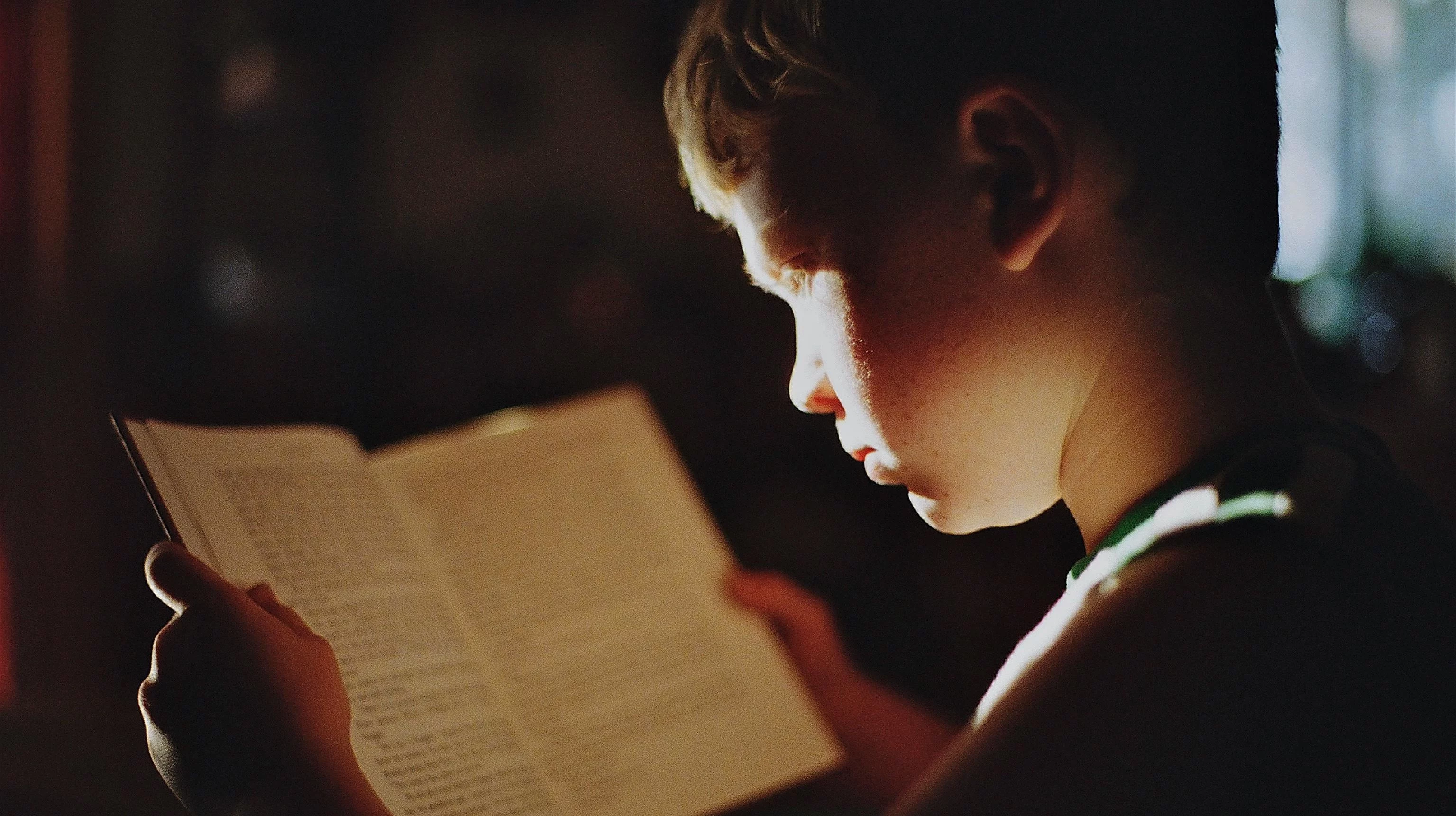
- Read 10 pages of a paper book
- Gentle stretching, breathing, or prayer
- Five minutes of conversation with no problem-solving
The rule: no news, no work, no scrolling. This is input-free time.
Step 4: The anchor – right before bed
Pick one small, repeated action. Spray lavender. Make your bed the same way. A short gratitude. This becomes your brain’s “we are done” signal.
ALSO READ: Good food, good mood – the secret to a healthy school lunch
The three mistakes that ruin rituals
- Making it too long. 60 minutes is great, 10 minutes done daily is better. Start with two steps.
- Being inconsistent. Your brain learns from repetition. Five nights on, two nights off teaches it nothing.
- Trying to “earn” sleep. A ritual is not another task to perfect. If you miss a step, you still sleep. Guilt is more stimulating than scrolling.
Why this matters now
We live in a world designed to keep us alert. Notifications, 24-hour news, work chat. Our ancestors had sundown. We have to create our own.
The good news: you don’t need new tech to sleep better. You need older tech. Warmth. Dimness. Stories. Repetition. Connection.
Culture figured out the form. Science figured out the why. Your job is to pick the parts that fit your life.
Tonight, try this. Pick two things. Dim the lights. And do one thing with your hands that is not a screen. Tea. A book. Stretching. Do it at the same time.
You are not just going to bed. You’re telling your body a story: the day is over, and it is safe to rest.
After a week, notice the difference. Not in your sleep tracker, but in how you feel in the morning. That is the real metric. Because quality rest is not found in a pill. It is built, one ritual at a time.