
While food alone cannot cure depression, nutrient-rich meals – especially those high in omega‑3s, B vitamins, antioxidants, and complex carbohydrates – can stabilize mood, improve energy, and complement professional treatment.
Why nutrition matters for depression
- Brain chemistry support: Nutrients like tryptophan, folate, and vitamin B12 help produce serotonin and dopamine, key mood-regulating chemicals.
- Energy balance: Complex carbs and proteins prevent blood sugar spikes and crashes that worsen fatigue and irritability.
- Inflammation reduction: Antioxidants and omega‑3 fatty acids fight oxidative stress and inflammation, both linked to depression.
Foods that help
- Leafy greens: Spinach, kale, and collards provide magnesium and folate, both tied to lower depression risk.
- Berries: Blueberries, strawberries, and raspberries are rich in antioxidants that protect brain cells.
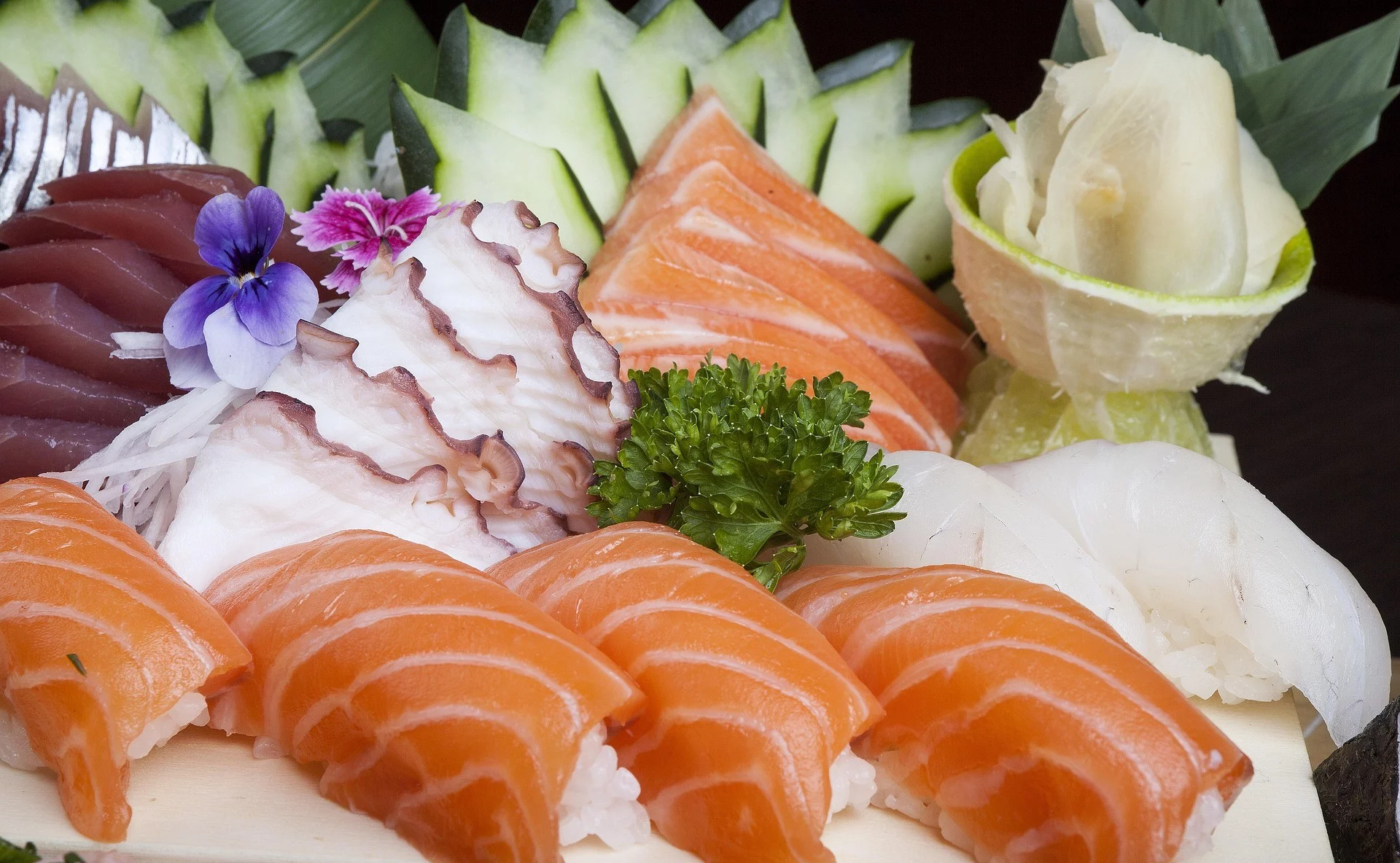
- Fatty fish: Salmon, sardines, and mackerel supply omega‑3s, which improve brain function and mood.
- Turkey: Contains tryptophan, an amino acid that helps the body produce serotonin.
- Avocados: Packed with folate, potassium, and healthy fats that support brain health.
- Nuts and seeds: Brazil nuts, walnuts, and flaxseeds provide selenium, zinc, and omega‑3s.
- Whole grains: Brown rice, oats, and quinoa stabilize blood sugar and boost serotonin.
Foods to limit
- Sugary snacks: Candy, soda, and pastries cause energy crashes and mood dips.
- Processed foods: Fast food and refined grains increase inflammation and worsen symptoms.
- Alcohol: Disrupts sleep and mood regulation.
- Excess caffeine: Can heighten anxiety and lead to energy crashes.

Practical eating habits
- Eat regularly: Skipping meals can lower energy and worsen mood.
- Stay hydrated: Water supports brain function and prevents fatigue.
- Mindful eating: Pay attention to hunger cues, avoid overeating, and savor meals.
- Plan ahead: Keep healthy snacks (nuts, fruit, yogurt) on hand to avoid processed foods when stressed.
Risks and considerations
- No single food cures depression. Diet is supportive, not a replacement for therapy or medication.
- Deficiencies matter: Low levels of B vitamins, magnesium, or omega‑3s can worsen symptoms.
- Individual differences: Some people may feel better with certain foods, while others notice little change.
- Professional guidance: Always consult a doctor or dietitian before making major dietary changes, especially if taking antidepressants.
ALSO READ: Good food, good mood – the secret to a healthy school lunch
Eating healthy for depression means focusing on whole, nutrient-rich foods while limiting processed, sugary, and inflammatory items. A Mediterranean-style diet — rich in vegetables, fish, legumes, nuts, and whole grains — is especially effective for supporting mental health. Combined with therapy, medication, and lifestyle changes, nutrition can be a powerful tool in managing depression.
ALSO READ: Let’s talk about budgeting…

ALSO READ: Imagine that… enjoying creative holidays at home
Weekly mood‑supportive meal plan
Day one:
- Breakfast: Oatmeal with berries and chia seeds
- Lunch: Grilled salmon with quinoa and steamed broccoli
- Snack: Walnuts and a banana
- Dinner: Lentil soup with whole‑grain bread
Day two
- Breakfast: Greek yogurt with flaxseed and sliced apple
- Lunch: Turkey wrap with spinach and avocado in a whole‑grain tortilla
- Snack: Carrot sticks with hummus
- Dinner: Baked mackerel with roasted sweet potatoes and green beans
Day three
- Breakfast: Scrambled eggs with spinach and tomatoes
- Lunch: Chickpea salad with cucumbers, olive oil, and lemon
- Snack: Pumpkin seeds and an orange
- Dinner: Grilled chicken with brown rice and sautéed kale
Day four
- Breakfast: Smoothie with banana, blueberries, spinach, and almond milk
- Lunch: Tuna salad with mixed greens and olive oil dressing
- Snack: Dark chocolate (70%+) and almonds
- Dinner: Vegetable stir‑fry with tofu and brown rice
Day five
- Breakfast: Whole‑grain toast with avocado and poached egg
- Lunch: Lentil curry with basmati rice
- Snack: Blueberries and sunflower seeds
- Dinner: Grilled sardines with roasted vegetables
Day six
- Breakfast: Chia pudding with kiwi and walnuts
- Lunch: Quinoa bowl with roasted chickpeas, spinach, and tahini
- Snack: Apple slices with peanut butter
- Dinner: Baked chicken with mashed sweet potato and steamed asparagus
Day seven
- Breakfast: Vegetable omelet with mushrooms and peppers
- Lunch: Grilled salmon salad with avocado and pumpkin seeds
- Snack: Trail mix (nuts, seeds, dried fruit)
- Dinner: Vegetable soup with whole‑grain bread

Tips for healthy options
- Local fish: Pilchards, snoek, and sardines are affordable omega‑3 sources.
- Traditional staples: Pap, samp, and beans can be paired with vegetables and lean protein for balance.
- Seasonal fruit: Mango, guava, pawpaw, and bananas provide antioxidants and natural sweetness.
- Hydration: Rooibos tea is caffeine‑free and rich in antioxidants, making it a great daily drink.
For more information on depression, contact the South African Anxiety and Depression Group or Lifeline Nelspruit.