Michelle Vogt, an accountant and financial advisor at the Circufin Group of Companies in Nelspruit, advises on the importance and benefits of good saving strategies.
Whether you want to build an emergency fund, save for your kids’ education, or stop living paycheck to paycheck, these 10 practical saving strategies work even on a tight budget.

Why you need an emergency fund
Life is unpredictable. One unexpected medical bill, car repair, or job loss can force you into debt.
An emergency fund gives you a financial safety net. It lets you handle emergencies without credit cards or personal loans and gives you the freedom to invest in future goals like a home, business, or family holiday.
ALSO READ: Debt management: Building a snowball towards financial freedom
1. Build your first R15 000 emergency fund fast
Don’t wait for “extra money” at month-end. Make your first goal R15 000 – enough to cover most small emergencies like a car service, geyser repair, or medical co-payment.
Fastest way to start: Declutter and sell.
Most South African households have R5 000 to R20 000 in unused items in garages and cupboards.
Sell these items quickly:
- Unused furniture and appliances
- Baby equipment your kids have outgrown
- Old cellphones, laptops and electronics
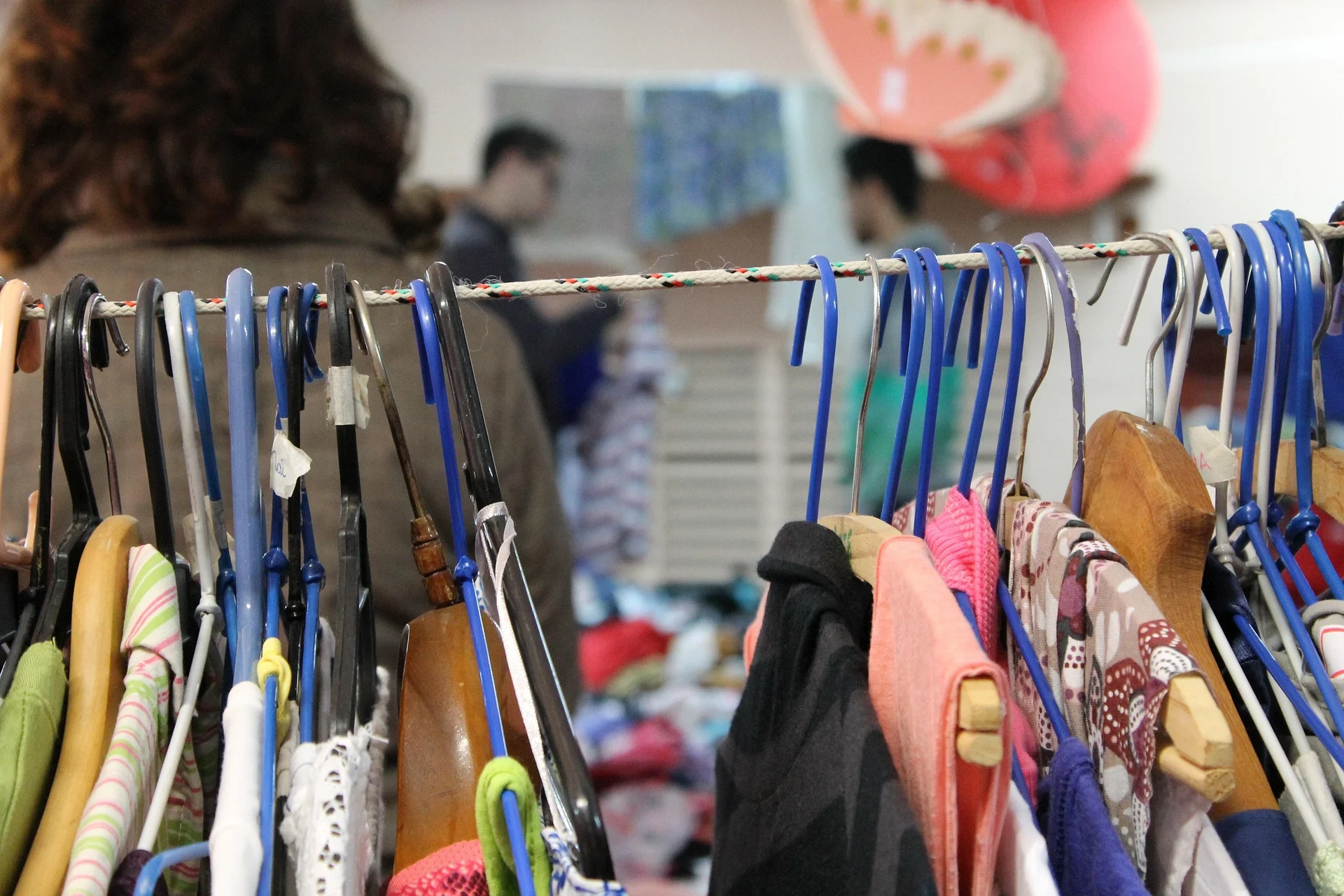
- Good condition clothing and shoes
- Toys and sports equipment
List on Facebook Marketplace, Yaga, and local Lowveld buy & sell groups. Turn clutter into cash in seven days.

ALSO READ: Let’s talk about budgeting…
2. Pay yourself first (the golden rule of saving)
The secret of successful savers: Save BEFORE you spend.
On payday, immediately transfer 10 to 20% of your income to a separate savings account. Treat it like rent – non-negotiable.
If you wait to save what’s left over, there will be nothing left.
3. Create a realistic monthly budget
A budget shows you where your money goes. Use the 50/30/20 rule as a guide:
- 50% needs: Rent, food, transport, insurance
- 30% wants: Eating out, entertainment, clothing
- 20% savings and debt: Emergency fund, debt repayments
Track your spending for 30 days with your banking app. You will be shocked how much small takeaways and impulse buys cost.

4. Live below your means: frugal living tips that work
Frugal living isn’t about being cheap. It’s about making every rand work harder.
Try these practical tips:
- Meal plan for the week and shop with a list
- Pack lunch to work – save R800+ per month
- Compare prices on PriceCheck before buying
- Cancel unused subscriptions (DSTV, gym, apps)
- Buy quality that lasts, not cheap twice
- Wait 48 hours before any impulse purchase
- Use loyalty programs: Checkers Xtra Savings, Clicks ClubCard, Discovery Miles
Small daily savings add up to thousands per year.
ALSO READ: Imagine that… enjoying creative holidays at home
5. Build your full three-to-six-month emergency fund
Once you hit R15 000, keep going. Your full emergency fund should cover three to six months of essential expenses.
Only use it for true emergencies:
- Medical emergencies
- Job loss or income loss
- Major car repairs
- Urgent home repairs
Keep it in a separate, instant-access savings account.
6. Automate your savings
Willpower fails. Automation works.
Set up an automatic transfer from your transactional to your savings account. Even R500 per month becomes R6 000 per year without you thinking about it.
7. Know when to save and when to invest
A common mistake: Leaving too much cash in a low-interest savings account.
Use a savings account for:
- Emergency fund
- Short-term goals under 12 months
Consider investing for:
- Long-term wealth (5+ years)
- Retirement planning
- Children’s education
Inflation eats your cash. For long-term goals, consider a tax-free savings account, unit trusts, or exchange-traded funds. Speak to a registered financial advisor first.

8. Set Specific, measurable savings goals
Vague goals fail. Specific goals motivate.
Instead of “I want to save money,” try:
- “I will save R20 000 for a December holiday by 1 November.”
- “I will build a R50 000 car deposit in 12 months.”
- “I will reach a three-month emergency fund by June 2027.”
Write it down and track progress visually.
9. Save your windfalls and bonuses
SARS tax refund, 13th cheque, bonus, or side-hustle income? Save at least 50% before spending.
You can enjoy some and secure your future at the same time.
10. Avoid lifestyle inflation
When your salary increases, don’t upgrade your car and house immediately.
Direct 50% of any raise to savings and investments. This one habit is how middle-income earners build real wealth.
Final thought: every rand needs a job
Financial freedom isn’t built overnight. It’s built with hundreds of small, intentional decisions.
Start today: Sell three items from your garage this week and open a separate savings account. That first R15 000 will change your financial mindset forever.
Michelle Vogt is a director of Circufin. Email her at Michelle@circufin.com