Oupa Pilane, special attaché for tourism development and transformation at the Kruger Lowveld Chamber of Business and Tourism (KLCBT), expressed deep concern over the devastating impact of persistent heavy rainfall across Mpumalanga.
ALSO READ: Marloth Park roads closed for safety after devastating floods
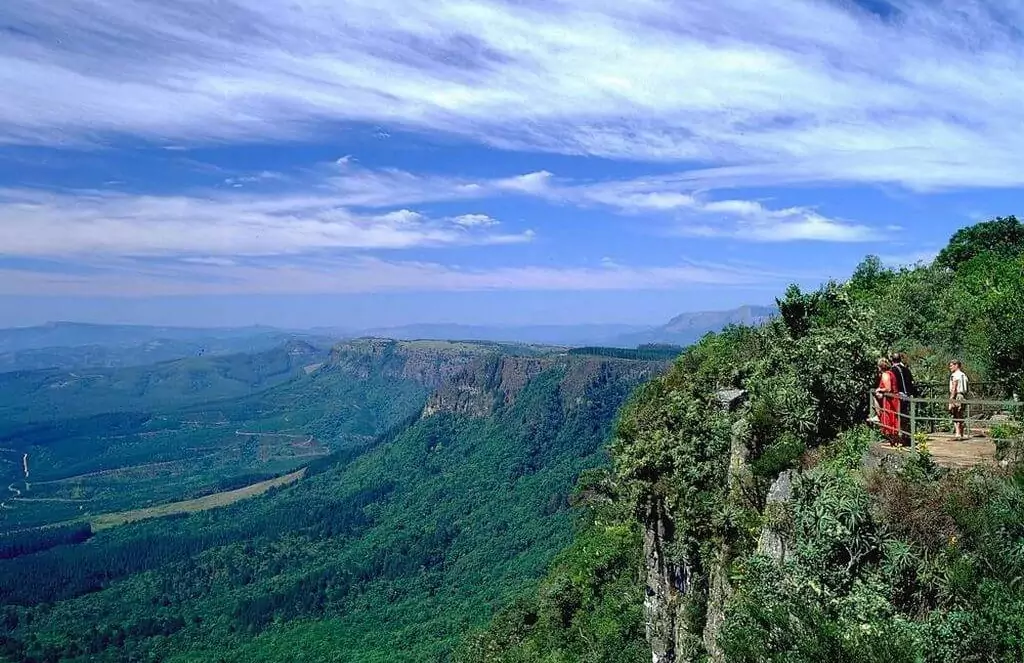
Popular sites along the Panorama Route, including areas such as Bourke’s Luck Potholes and operations such as the Graskop Gorge Lift Co, have been forced to suspend activities for safety reasons. The Kruger National Park has also restricted day-visitor access and evacuated certain camps due to overflowing rivers, further compounding the crisis.

“These extreme weather events come at a time when our tourism businesses are already navigating significant challenges in a post-pandemic recovery,” Pilane said. “Many operators, lodges, guides, craft sellers and supporting enterprises in the Lowveld and Panorama Route areas depend heavily on summer visitor numbers. The closures and inaccessibility have brought operations to a standstill, resulting in heavy revenue losses that threaten livelihoods and the broader local economy.”
ALSO READ: Tata adds two new models to its range for 2026
Preliminary assessments indicate substantial financial losses, with direct impacts on employment. Businesses are bracing for additional costs related to post-rain maintenance, infrastructure repairs, and site rehabilitation once conditions improve and waters recede.
“We are currently exploring the full extent of these losses. Accurate quantification will only be possible once the rains subside and thorough inspections can be conducted. In the meantime, many operators face immediate cash flow pressures and uncertainty about when visitors can safely return.”
Pilane urged government, private sector partners, and tourism stakeholders to collaborate on rapid response measures, including:
- Expedited damage assessments and recovery funding for affected attractions and businesses;
- Targeted support packages for small and medium tourism enterprises;
- Coordinated marketing efforts to rebuild visitor confidence once safety is assured; and
- Long-term investments in climate-resilient infrastructure to mitigate future weather-related disruptions.
“Mpumalanga’s natural wonders – from the Blyde River Canyon to our world-class wildlife reserves – remain unparalleled. This is a temporary setback, but we must act decisively to protect jobs, support our entrepreneurs, and ensure the sector emerges stronger,” he said.
The Democratic Alliance has since issued a statement, saying the government’s neglect of infrastructure aggravated the damage caused by the disruptive rain.
The party welcomed the recent declaration of a national disaster by the Minister of Cooperative Governance and Traditional Affairs, Velenkosini Hlabisa. This will help to unlock emergency funding and coordinated relief, it says in the statement.

Teboho Sekaledi, DA spokesperson on Public Works, Roads and Transport in Mpumalanga, says that Mpumalanga’s latest floods have once again exposed how fragile the province’s public infrastructure has become, with collapsed bridges, unsafe roads and overwhelmed storm-water systems leaving communities stranded and services disrupted.
“These floods are a natural hazard, but the scale of damage is a man-made disaster that reflects years of weak planning, poor maintenance and the neglect of basic storm-water and road drainage,” he says.
“The rebuilding of Mpumalanga’s damaged infrastructure cannot become another episode of delays, corruption and incompetence that leaves residents worse off and taxpayers betrayed. Emergency procurement must not be a blank cheque for inflated variation orders, recycled cronies, and projects that overrun on time, cost and scope while quality is quietly sacrificed.
“Mpumalanga is to rebuild stronger, safer and more resilient infrastructure that will withstand the next inevitable storm,” he concluded.