Table of Contents
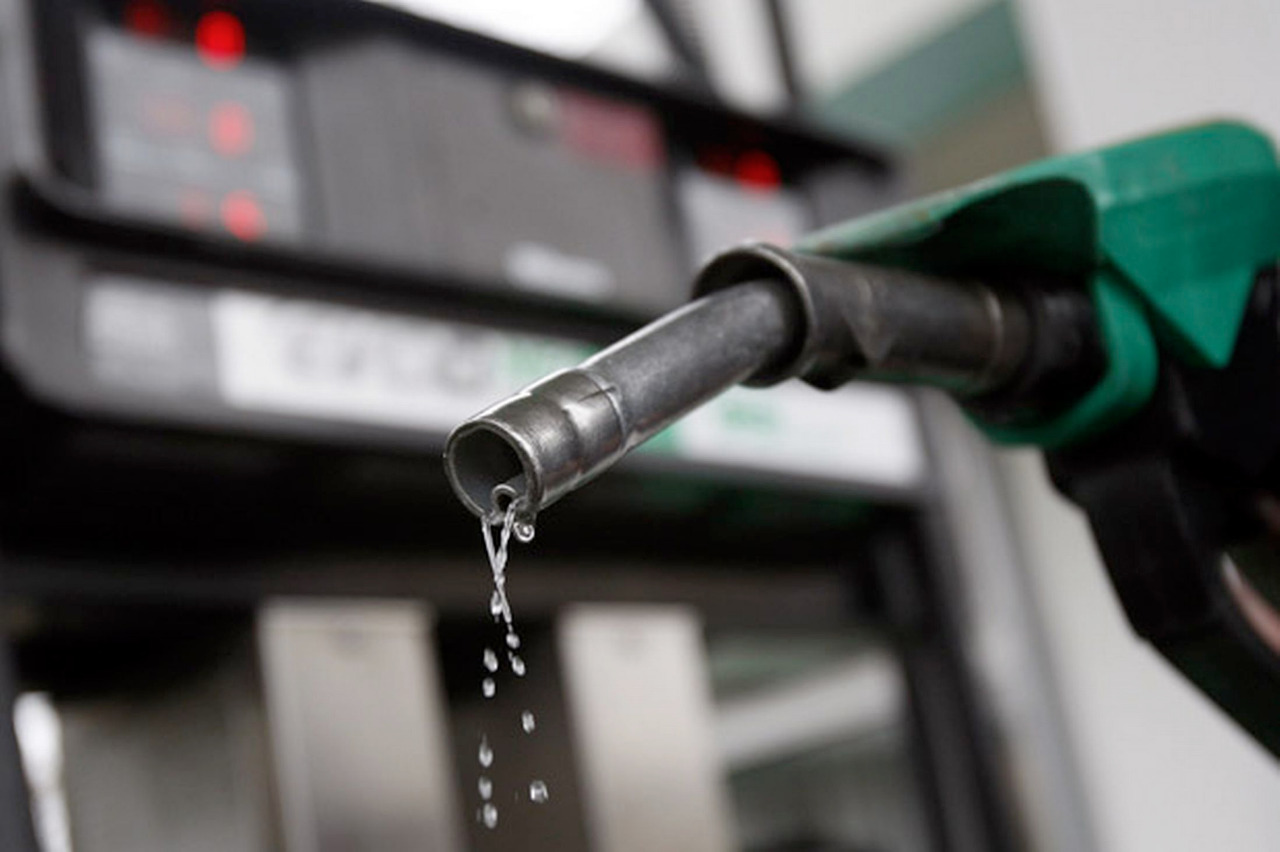
The minister announced a R10 billion fuel levy relief package to ease cost-of-living pressure caused by soaring international oil prices.
Fuel-price relief confirmed: how much will fuel be cut?
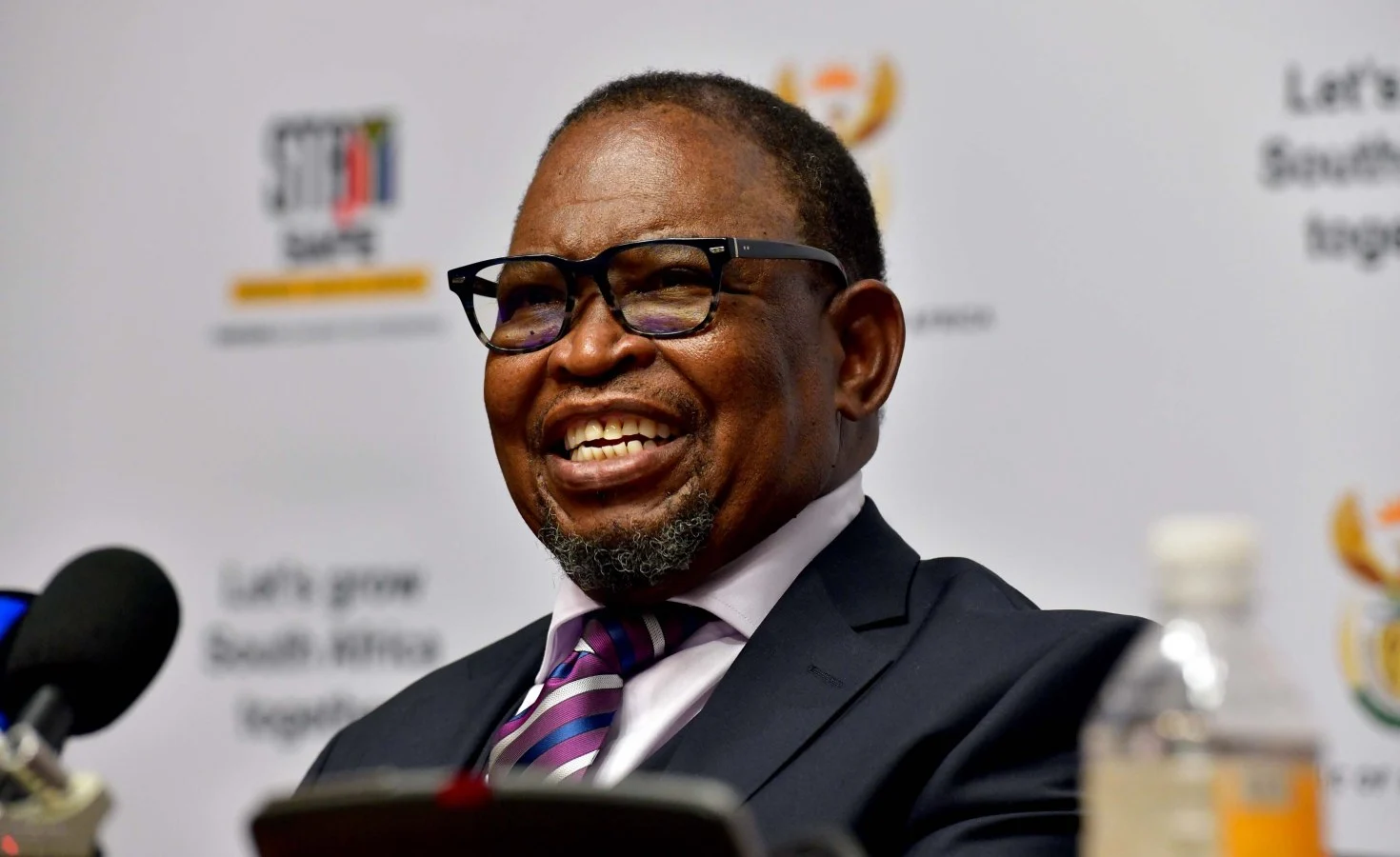
Godongwana outlined a two-stage temporary relief:
Phase 1: 4 November – 1 December 2026 (28 days)
- Diesel: R3,00 per litre
- Petrol: R1,50 per litre
Phase 2: 2 December 2026 – 5 January 2027
- Diesel: R1,50 per litre
- Petrol: R1,00 per litre
The cuts apply to the General Fuel Levy and will be implemented from midnight on 3 November, effective 4 November – which is also Local Government Election Day.
“Because we have rebuilt fiscal buffers, the government is in a stronger position to respond, including by providing temporary fuel levy relief again,” Godongwana said in Parliament. “This intervention will help ease cost of living pressures without compromising the sustainability of the budget.”
Fuel-price relief confirmed: Why fuel prices are so high?
South Africa imports most of its fuel and is exposed to global oil price swings. The conflict in the Middle East has pushed Brent crude prices sharply higher.
In October 2026, motorists paid record prices:
- 95 Petrol: R30,25 per litre inland (Gauteng / Mpumalanga) and R29,38 at the coast
- Diesel wholesale: up to R33,29 per litre
The latest Central Energy Fund data shows an under-recovery of R1,51 for petrol and R1,25 for diesel for November, which means prices would have increased again, but the levy cut will now lead to a net decrease.
ALSO READ: SASSA revised November 2026 payment dates announced ahead of local government elections
Fuel-price relief confirmed: What it means for Lowveld motorists
For a typical 50-litre fill-up in Mbombela, White River or Nelspruit:
- Petrol driver: Save R75 per tank from 4 Nov to 1 Dec, then R50 per tank until 5 Jan
- Diesel driver: Save R150 per tank from 4 Nov to 1 Dec, then R75 per tank until 5 Jan
Transport and taxi costs, food prices and logistics costs are expected to ease slightly during the relief period.
Fuel-price relief confirmed: How will the government pay for it?
The relief will cost R10 billion in foregone revenue. National Treasury said it will be funded by returning R10 billion that was transferred to the Central Energy Fund (CEF) last year back to the National Revenue Fund.
The Treasury said the money comes from 2025/26 revenue overruns driven by higher mining corporate taxes.
“To fund this support, the R10 billion that was transferred to the Central Energy Fund will be returned to the National Revenue Fund to finance this relief,” Godongwana said.
This revives temporary cuts introduced in April to June 2026 after earlier oil price shocks.
ALSO READ: Five arrested in R500 000 pangolin trade sting operation in White River, three appear in court
Fuel-price relief confirmed: When does the fuel-price cut start?
The cut takes effect on Tuesday, 4 November 2026 at 00h01. The final pump price for November will be confirmed by the Department of Mineral Resources and Energy at the end of October, but will include this levy reduction.
It is important to note that this is temporary relief. The full levy returns on 6 January 2027.